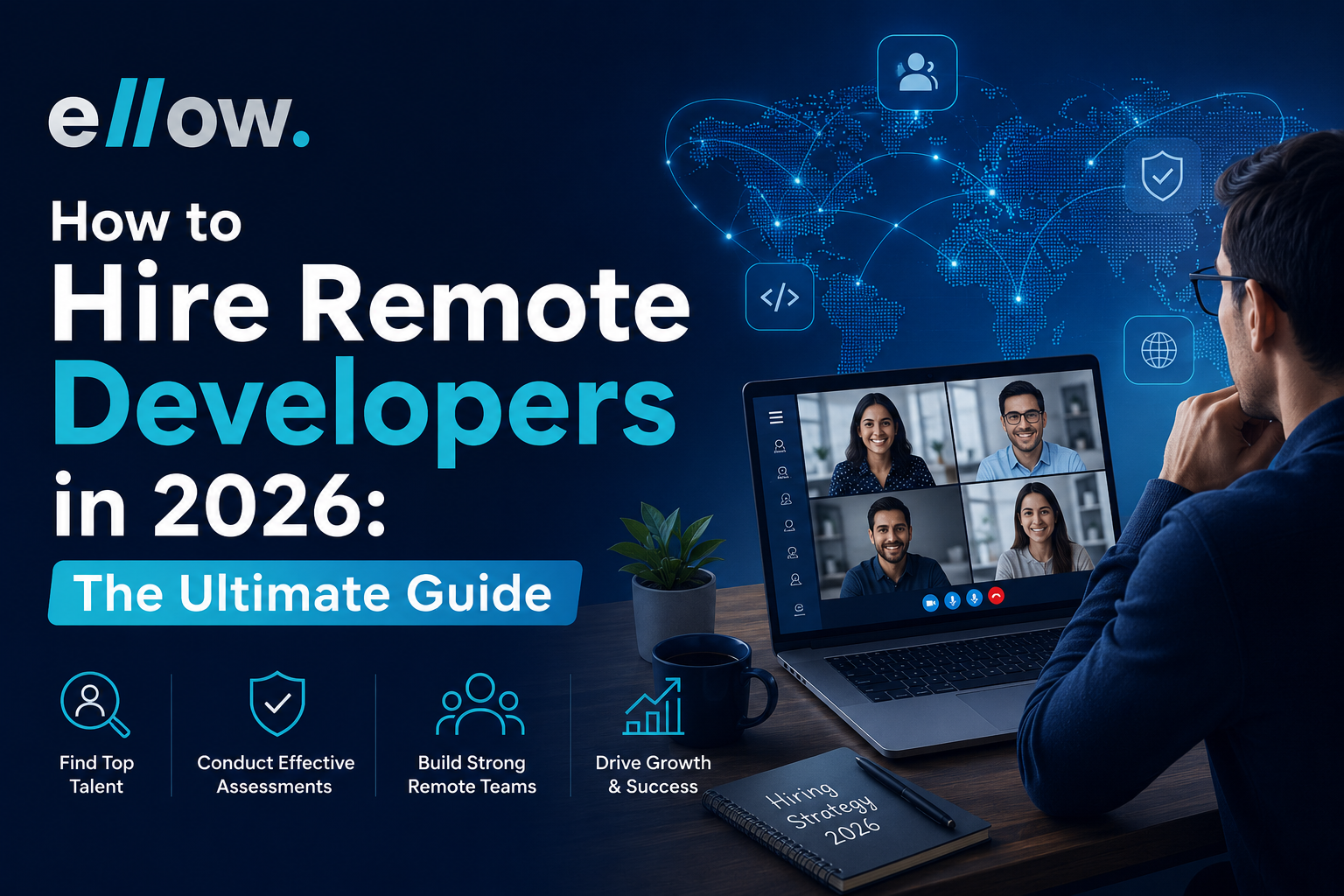
The way companies build technology teams has changed dramatically over the last few years. Remote work is no longer a temporary trend—it has become a strategic advantage for businesses looking to access global talent, reduce hiring costs, and scale development teams faster.
In 2026, organizations of all sizes are turning to remote talent to meet growing demands for software development, product innovation, AI integration, and digital transformation. However, hiring remote developers successfully requires more than simply posting a job online. Companies need a structured approach to sourcing, evaluating, onboarding, and managing remote talent.
This guide covers everything you need to know about hiring remote developers in 2026, including best practices, common mistakes to avoid, and proven strategies used by successful companies.
Why Businesses Are Hiring Remote Developers
The global talent market has become increasingly competitive. Many businesses struggle to find qualified developers locally, especially for specialized roles.
Hiring remote developers offers several advantages:
- Access to a larger talent pool
- Faster hiring timelines
- Lower recruitment costs
- Greater workforce flexibility
- Improved scalability
- Access to specialized technical expertise
According to research from LinkedIn Talent Solutions, companies that embrace flexible work arrangements often gain a competitive advantage in attracting top talent.
As remote collaboration tools continue to improve, geographical barriers are becoming less relevant in technology hiring.
What Are Remote Developers?
Remote developers are software professionals who work outside a company’s physical office.
They may work:
- From home
- From coworking spaces
- As freelancers
- Through staffing partners
- As dedicated remote employees
Remote developers can support projects involving:
- Web development
- Mobile app development
- Cloud engineering
- DevOps
- Artificial Intelligence
- Data Engineering
- Quality Assurance
- Cybersecurity
This flexibility allows businesses to build teams based on skills rather than location.
When Should You Hire Remote Developers?
Remote hiring is particularly beneficial when:
You Need Specialized Skills
Finding niche expertise locally can be challenging.
Examples include:
- AI Engineers
- Machine Learning Specialists
- Blockchain Developers
- Cloud Architects
- DevOps Engineers
Remote hiring expands your options significantly.
You Need to Scale Quickly
Product launches and development deadlines often require rapid team expansion.
Remote talent can help companies:
- Accelerate project delivery
- Reduce hiring bottlenecks
- Scale engineering capacity efficiently
You Want Cost Efficiency
Hiring globally often provides access to highly skilled professionals at competitive rates without compromising quality.
Define Your Hiring Requirements First
One of the biggest hiring mistakes companies make is starting recruitment before clearly defining their needs.
Before hiring, identify:
Project Scope
Determine:
- Product requirements
- Development timelines
- Technical complexity
- Team structure
Required Skills
Create a list of:
- Programming languages
- Frameworks
- Cloud platforms
- Databases
- Development methodologies
Experience Level
Decide whether you need:
- Junior developers
- Mid-level developers
- Senior engineers
- Technical leads
A clear hiring strategy improves candidate quality and reduces recruitment delays.
Where to Find Remote Developers
There are several ways to source remote talent.
Freelance Platforms
Useful for:
- Short-term projects
- Specific technical tasks
- Rapid hiring needs
However, quality can vary significantly.
Professional Networks
Platforms like LinkedIn provide access to experienced developers and professional referrals.
Developer Communities
Communities often contain highly skilled professionals actively engaged in learning and collaboration.
Remote Talent Platforms
Many companies now choose specialized providers to simplify recruitment and reduce hiring risks.
Organizations looking to hire remote developers often use curated talent platforms that pre-screen candidates for technical expertise, communication skills, and remote work readiness.
This approach helps reduce hiring time while improving candidate quality.
How to Evaluate Remote Developers Effectively
Hiring mistakes become expensive when working remotely.
A structured evaluation process is essential.
Review Technical Experience
Look beyond resumes.
Evaluate:
- Previous projects
- GitHub contributions
- Technical portfolios
- Open-source involvement
Real-world experience often provides stronger insights than certifications alone.
Conduct Technical Assessments
Practical coding assessments help validate skills.
Focus on:
- Problem-solving ability
- Code quality
- Scalability thinking
- System design knowledge
Avoid relying solely on theoretical interviews.
Assess Communication Skills
Remote teams depend heavily on communication.
Evaluate:
- Clarity
- Responsiveness
- Collaboration ability
- Documentation habits
Strong communication often predicts remote success.
Evaluate Cultural Fit
Technical skills matter, but team alignment is equally important.
Consider:
- Work style compatibility
- Problem-solving approach
- Adaptability
- Professional values
Teams that collaborate effectively typically deliver better outcomes.
Key Skills to Look for in Remote Developers
Beyond technical expertise, successful remote developers demonstrate several important traits.
Self-Management
Remote work requires independence and accountability.
Strong candidates can:
- Prioritize tasks
- Meet deadlines
- Work without constant supervision
Time Management
Distributed teams often work across multiple time zones.
Developers should be comfortable managing schedules and maintaining productivity.
Collaboration
Successful remote engineers know how to:
- Participate in virtual meetings
- Document decisions
- Collaborate asynchronously
Continuous Learning
Technology evolves rapidly.
Top developers consistently invest in learning new tools and frameworks.
Common Mistakes When Hiring Remote Developers
Prioritizing Cost Over Quality
The cheapest option often becomes the most expensive in the long run.
Poor-quality development can lead to:
- Delayed launches
- Technical debt
- Increased maintenance costs
Focus on value rather than hourly rates.
Ignoring Communication Skills
Many technically strong candidates struggle with remote collaboration.
Communication should be assessed as carefully as technical ability.
Skipping Technical Validation
Never hire solely based on resumes or recommendations.
Always validate technical competency through structured assessments.
Lack of Clear Expectations
Remote teams perform best when expectations are clearly defined.
Establish:
- Goals
- Deliverables
- Communication protocols
- Performance metrics
from the beginning.
Building a Successful Remote Development Team
Hiring great developers is only the first step.
Long-term success depends on creating an environment where remote teams can thrive.
Use the Right Tools
Common collaboration tools include:
- Slack
- Microsoft Teams
- Jira
- GitHub
- Notion
- Zoom
The right technology stack improves transparency and productivity.
Create Strong Documentation
Documentation becomes increasingly important in distributed environments.
Document:
- Processes
- Technical decisions
- Development standards
- Project requirements
This reduces confusion and improves scalability.
Encourage Regular Communication
Remote teams should maintain structured communication through:
- Daily updates
- Weekly meetings
- Sprint reviews
- One-on-one discussions
Consistent communication builds trust and alignment.
Future Trends in Remote Developer Hiring
The remote hiring landscape continues to evolve.
Key trends shaping 2026 include:
AI-Assisted Recruitment
Artificial intelligence is helping companies:
- Screen candidates
- Match skills
- Improve hiring efficiency
Global Talent Expansion
Businesses are increasingly hiring across multiple countries to access specialized expertise.
Skills-Based Hiring
Employers are focusing more on demonstrated capabilities rather than formal credentials.
Flexible Team Models
Companies are adopting hybrid approaches that combine:
- Full-time employees
- Contract developers
- Dedicated remote teams
This creates greater agility and scalability.
Why Remote Hiring Is a Strategic Advantage
Organizations that build strong remote hiring processes gain several benefits:
- Faster innovation
- Access to world-class talent
- Improved scalability
- Greater workforce resilience
- Reduced geographic limitations
In an increasingly digital economy, the ability to recruit globally can become a significant competitive advantage.
Hiring remote developers in 2026 is no longer simply an alternative to traditional recruitment—it is a strategic approach to building high-performing technology teams.
Success comes from defining clear requirements, using structured evaluation methods, prioritizing communication skills, and creating strong onboarding processes.
Companies that embrace remote hiring gain access to a broader talent pool, accelerate development timelines, and improve their ability to scale efficiently.
Whether you’re a startup building your first product or an enterprise expanding your engineering capabilities, a well-executed remote hiring strategy can help you secure the expertise needed to drive long-term growth and innovation.