Let’s buildthe future together.
Great ideas need great people. Partner with us to bring your vision to life, or take the first step in your career by joining our team of innovators.



Receive new articles delivered Straight to your inbox
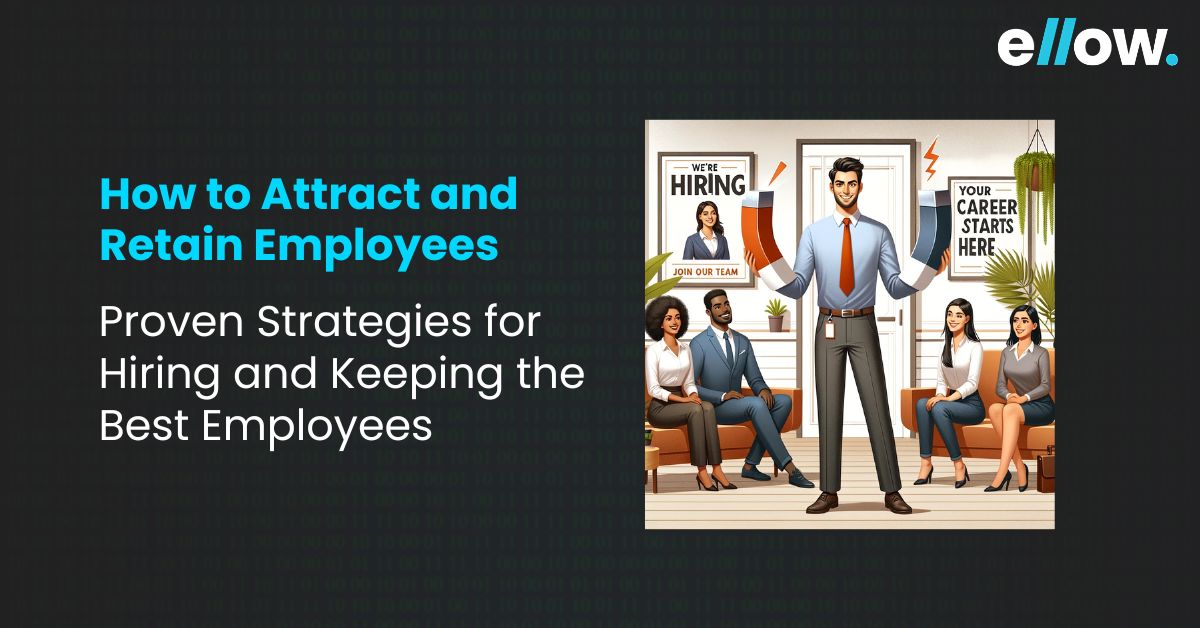
In today’s competitive job market, attracting and keeping top talent is more critical than ever. As we look ahead to 2024 and beyond, the battle for talent is expected to reach unprecedented levels.
Gartner predicts a potential 20% rise in the annual turnover rate in the U.S. compared to the pre-pandemic yearly average.
The challenges of finding and retaining employees are growing, along with the costs associated with recruitment and training. If your company grips with high turnover, it is time to innovate your approach. However, before diving into strategies, it is essential to grasp the profound significance of employee retention.
Let us explore proven methods to attract and retain employees, helping your organization secure its most valuable assets in an evolving landscape.
Employee retention is an important aspect of a successful business, and here’s why. First and foremost, replacing an employee can be a costly affair.
According to a Gallup Poll, the cost of replacing an employee is twice the annual salary of the outgoing employee. This includes expenses for advertising job openings, conducting interviews, providing training, and accounting for lost productivity during the transition period.
Employees bring significant value to the company. They establish connections with customers, drive innovation by developing new products and services, and contribute to the overall work culture. When you lose an employee, you also lose all the valuable knowledge and experience accumulated during their tenure.
Studies have consistently shown that satisfied employees are more likely to stay with your company and tend to be more productive while they’re there.
Employee turnover can have a substantial impact on your business’s financial health.
According to SHRM, the average cost of replacing an employee is 6 to 9 months of their salary. For a $60,000 employee, that’s $30,000 to $45,000 per person.

When employees leave, it often requires hiring new talent, which can quickly add up in costs. Moreover, employee retention plays a pivotal role in shaping your corporate culture. Long-term employees help set the tone for new additions to the team, fostering a positive work environment.
They can also serve as mentors to newcomers, helping them acclimate to the company culture and perform at their best. By retaining employees, you create a stable workforce, and this stability can translate to increased productivity and profitability for your business. It is a win-win situation, where both your employees and your company benefit from a commitment to retention.
Many employees seek growth and opportunities to climb the career ladder. When they feel stuck in their current position with no chance for advancement, they often consider leaving.
Balancing work and personal life is essential for well-being. If employees constantly feel overwhelmed with excessive work demands, it can lead to burnout and the decision to seek a more balanced job elsewhere.
Money matters, and if an employee believes their compensation or benefits package doesn’t match their skills and contributions, they might start job-hunting for better opportunities.
When employees find their tasks monotonous or unfulfilling, it can lead to dissatisfaction and the desire to explore more engaging roles in other companies.
A bad boss can be a major motivation for leaving. Employees want supportive and inspiring leaders, and if they experience ineffective or toxic management, they’re likely to look for a healthier work environment.
Employees often seek personal and professional development. If they don’t see opportunities for learning, skill improvement, or taking on new challenges, they may start job-hunting.
A hostile or unhealthy workplace can drive employees away faster than anything else. Toxic culture, conflicts, or lack of respect for employees can make them want to escape the negativity.
Recruiting with purpose means going beyond qualifications and skills. It is about considering whether a candidate is a good cultural fit. When employees resonate with your company’s values and mission, they are more likely to be engaged, and productive, and stay with the company longer.

Start by defining your company’s culture. What are your core values? What makes your workplace unique? Understanding your culture is the first step in finding candidates who will thrive in it.
When creating job descriptions, be clear about your company culture and expectations. This will attract candidates who resonate with your values and deter those who don’t.
Behavioral interviews assess how candidates have handled situations in the past. This helps gauge whether their behavior aligns with your company’s values.
Look for candidates who not only fit your current needs but also have the potential to grow with your company. A great hire should contribute to your organization’s success in the long run.
Once you find the right fit, ensure a smooth onboarding process. Help new employees integrate into your company culture by providing training and mentorship.
Recruiting with purpose leads to a more engaged and cohesive team. It reduces turnover and fosters a positive work environment.
Building an irresistible company culture is crucial for attracting and retaining top talent. A strong company culture not only makes your workplace a more enjoyable and productive environment but also sets you apart from the competition.
A positive work environment is the foundation of a great company culture. It is about fostering a sense of belonging, support, and enthusiasm among your team members. Start by recognizing and celebrating achievements, both big and small. Regularly show appreciation for your employees’ hard work and create a culture of gratitude.
Respect and inclusivity should be at the core of your company’s values. Encourage open communication and active listening. Embrace diversity and create a safe space for everyone to express their ideas. When everyone feels heard and respected, employees feel valued and empowered, which leads to building a stronger team.
Innovation thrives in a culture that encourages creativity. Provide your employees with the tools and freedom to think outside the box. Allow them to take calculated risks, learn from mistakes, and share their innovative ideas. When you create an environment that welcomes innovation, your company can stay ahead of the curve in a rapidly changing business world.
Attracting and retaining top talent is a key priority for any company. To achieve this, it is crucial to offer competitive compensation packages that set you apart in the job market. Here is how to make it happen:
Research the current pay ranges for your positions. It is essential to pay your employees what they’re worth. Make sure your salaries are at the higher end of the range to attract the best candidates. Online tools can assist you in determining appropriate salary ranges.
In addition to competitive salaries, valuable benefits are a major draw for employees. Consider offering health insurance, retirement savings plans, flexible work schedules, and paid time off. To pinpoint the most valuable benefits for your team, ask for their input. This demonstrates your commitment to their well-being.
When employees leave, conduct exit interviews and track their feedback. This information can help you identify trends and improve your employee retention strategy. Learning why your employees leave can be invaluable in making necessary changes.
Employee development is a crucial factor in retaining your valuable team members. A Work Institute survey underlines that a lack of career growth opportunities is the primary reason employees leave their jobs. To ensure your workforce stays engaged and motivated, focus on professional development.

Help your employees identify their career aspirations. Encourage them to set clear goals and develop a personalized plan to reach them. Regularly assess their progress and offer support as needed.
Provide access to both in-person and online training courses. These opportunities allow employees to enhance their knowledge and skills, aligning their development with the company’s needs.
Pair experienced employees with those showing potential. A mentor can guide their career path within the company, offering valuable insights and support.
Whenever possible, consider promoting from within your existing talent pool. If a future role aligns with an employee’s development goals, establish a cross-training or upskilling program to prepare them for the position.
Achieving a good work-life balance is crucial for both employees and employers. It not only contributes to employee satisfaction but also helps to retain talented team members. When your employee feels they have a healthy work-life balance, they are more likely to be content in their roles.

One way to promote work-life balance is by encouraging your employees to lead healthy lives. This includes:

Effective communication within a team is crucial for success. Here are some practical ways to ensure your team stays informed and engaged:
Here’s how to recognize and reward achievements:
Check this Video out: Top 10 Employee Retention Strategies in 2023 – Vantage Circle
It is very important to highlight the critical role that leadership plays in employee retention. Great leaders not only inspire their team but also create an environment where employees feel valued, engaged, and motivated. When leaders prioritize open communication, provide constructive feedback, and support their team’s professional growth, it develops a sense of belonging and loyalty, which is key to keeping talent onboard.
To achieve long-term success, it’s vital to fine-tune your employee retention strategies. This means regularly reviewing and adapting your approach. Listen to your team’s feedback and concerns, as their insights can help you identify areas for improvement. Stay updated on industry best practices and be open to implementing new initiatives that enhance job satisfaction and work-life balance.
Every member of your team is unique, so personalized approaches to retention can make a significant difference. Recognize and reward outstanding performance, celebrate milestones, and ensure that your team feels recognized and appreciated.
Talent Management Framework Guide
How to Prevent Employee Burnout Among Remote Workforce?
A Comprehensive Guide of Sourcing to Talent Onboarding
How to Create A Diverse and Inclusive Remote Workforce?
To attract top talent, you can utilize strategies like creating a compelling employer brand, offering competitive salaries and benefits, and engaging in active recruitment marketing through job portals and social media.
Long-term employee retention involves providing growth opportunities, fostering a positive work environment, and recognizing and rewarding outstanding performance. Regular feedback and a healthy work-life balance are also crucial.
While it’s not always necessary, flexible work arrangements, like remote work options or flexible hours, can significantly enhance employee satisfaction and retention, especially in today’s evolving work landscape.
Company culture plays a vital role in retaining employees. A positive and inclusive culture can boost employee morale, promote a sense of belonging, and keep your team motivated and committed to the organization.
Regular assessment and adjustment of retention strategies are essential. Aim to evaluate your strategies at least annually, but also be open to feedback and make changes as needed to keep your methods aligned with evolving employee needs and market trends.
Can AI Recruitment Really Reduce Bias in Hiring? Here's What to Know

Inside an AI-Native Staffing Team: How the Hiring Process Actually Works, Step by Step
AI Recruitment Agency Pricing: What Should You Actually Expect to Pay?
Please feel free to share your thoughts and we can discuss it over a cup of tea.
Get a quote
AI Recruitment Agency Pricing: What Should You Actually Expect to Pay?

Six Things to Consider When Hiring Remote Talent
ellow.io enters remote hires market with AI-based screening process
