Let’s buildthe future together.
Great ideas need great people. Partner with us to bring your vision to life, or take the first step in your career by joining our team of innovators.



Receive new articles delivered Straight to your inbox
Businesses are constantly seeking smarter ways to operate and make the lives of their customers easy. This hunt has given rise to Software as a Service, or SaaS, a great approach to transforming the software landscape. As companies across the globe embrace digital transformation, they’re finding that SaaS solutions offer a world of possibilities.
Using SaaS solutions is cost-effective and comparatively has higher returns on investment. Whether in software development, entertainment, finance, or virtually any other industry, you’ll find SaaS applications that can streamline your operations and enhance your services.
Whether you are navigating the realms of technology or venturing into finance or entertainment, SaaS applications stand ready to streamline operations and elevate the quality of services across industries.
According to Statista, the SaaS market is projected to have a value of around $197 billion in 2023, with expectations of reaching $232 billion in 2024. SaaS applications operate within the cloud and are typically accessible via desktop and mobile apps, along with web interfaces.
SaaS stands for Software-as-a-Service, is the most popular type of cloud-based service out of three main categories: SaaS, PaaS, and IaaS. In a SaaS model, applications are stored on a cloud server and delivered to users online.
An independent software vendor (ISV) can put their application on a cloud server provided by another company. Often, these cloud providers are major players like Microsoft, Amazon Web Services (AWS), and Google Cloud.
SaaS applications are primarily accessed through a monthly subscription fee, allowing users to utilize the software whenever needed without the need for local installations. The subscription cost can vary based on factors like how much data you need to store, the level of technical support required, or the number of users who will use the software. It is like paying for a service every month, making it more flexible and accessible for businesses and individuals alike.
SaaS application development services have gained immense popularity for several compelling reasons.
SaaS applications are accessible through web browsers, making installation and downloads unnecessary. You can use them on any device with an internet connection, offering convenience and versatility.
SaaS operates on a subscription-based model, allowing businesses to pay for what they need on an ongoing basis. This eliminates the upfront costs of hardware, software licenses, and maintenance, making it cost-effective, especially for small and medium-sized businesses.
SaaS applications can easily adapt to changing business needs. You can add or remove users and features as necessary without significant reconfigurations.
SaaS providers take care of software updates and maintenance, ensuring that you always have access to the latest features, security patches, and improvements without manual intervention.
Unlike traditional software, which can be time-consuming to implement, SaaS applications are typically ready to use shortly after subscription, enabling businesses to implement new solutions quickly.
SaaS applications enable real-time collaboration among teams, even if they are spread across different locations. Multiple users can work on the same document or project simultaneously, boosting productivity and teamwork.
Reputable SaaS providers invest in robust security measures and compliance certifications, offering data encryption, regular backups, and adherence to industry regulations. This often exceeds the security measures of individual businesses.
SaaS shifts the responsibility for infrastructure management, software updates, and troubleshooting to the provider. This frees businesses to focus on their core activities rather than on IT maintenance.
SaaS applications typically feature intuitive user interfaces designed for ease of use. This reduces the learning curve for employees and enhances user adoption.
SaaS applications can be accessed globally, making them ideal for businesses with international operations, remote employees, or customers in different time zones.
Many SaaS providers offer free trials or limited versions of their applications, allowing businesses to test the software before committing. This trial period helps ensure compatibility and suitability.
SaaS providers continuously innovate to stay competitive. Users benefit from evolving features, functionality, and integration options that adapt to changing business requirements.
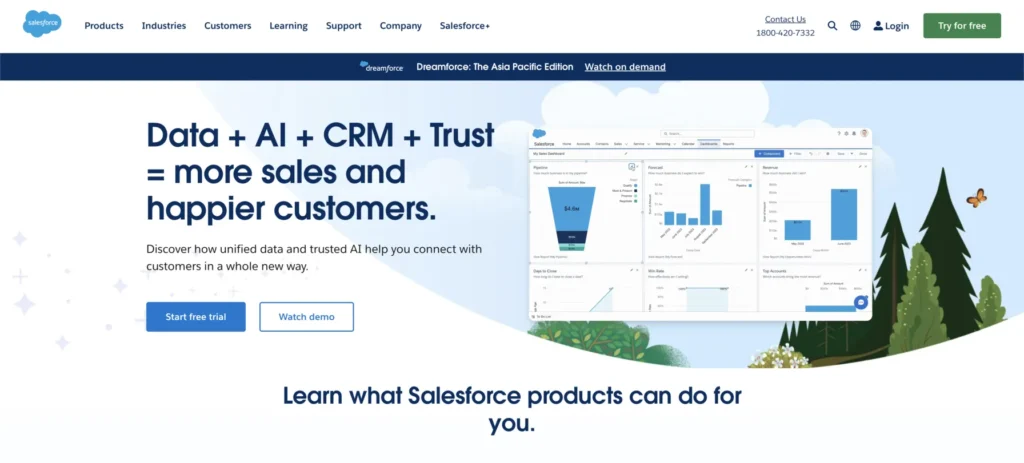
Salesforce is a widely recognized B2B SaaS application that helps businesses manage customer relationships and boost sales. This American cloud-based software company offers a range of services beyond customer relationship management (CRM). You can use Salesforce’s services to
Key features:
Salesforce was launched in 1999 and has made a mark with its innovative solutions for managing customer relationships and sales teams. It’s a valuable tool for businesses looking to improve their customer service, sales, and marketing efforts.
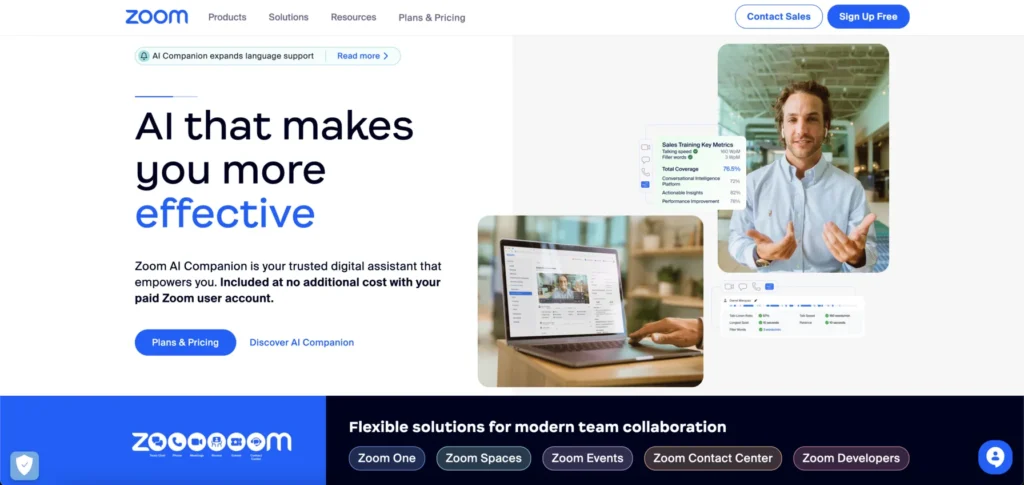
Zoom is a widely used, cloud-based tool for video and audio conferencing, chat, and webinars. It’s known for being user-friendly, reliable, and cost-effective. Its popularity soared in 2020 due to the increased demand for remote work and virtual communication. Freelancers, teams, and businesses of all sizes use Zoom for both personal and professional purposes.
It is not just about video conferencing; you can also use it for screen-sharing, live chats, distance education, and hosting webinars. The best part is that Zoom is available as a Software as a Service (SaaS) application, making it easy to set up.
Zoom Video Communications, Inc., the company behind Zoom, is based in San Jose, California. Its strength lies in video and online chat, and it’s considered one of the standout examples of SaaS applications.
Key features:
Zoom was launched in 2012 and has become a go-to choice for online communication. Its unique selling point (USP) includes offering free cloud video conferencing with HD video quality, mobility, and web meetings, all in one package. It’s a versatile SaaS application that meets the needs of various users and organizations.
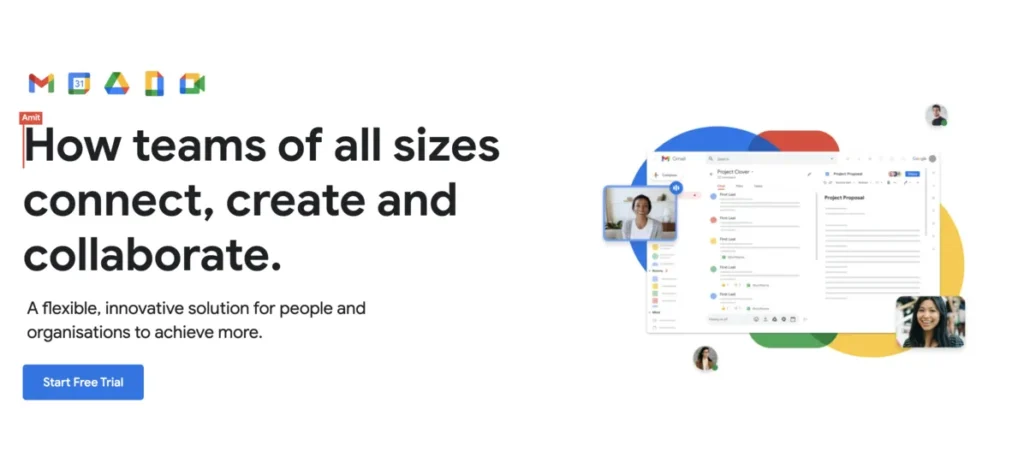
Google Applications, part of the G Suite, represent a crucial aspect of the future of software. They’ve transformed the way businesses and individuals work, making life easier and more efficient for everyone. When you think about Google Suite, you can’t help but think about some of its primary applications. Gmail, Google Docs, Google Sheets, and Google Drive are household names. The familiarity underscores their significance in the world of SaaS apps.
G Suite offers a comprehensive ecosystem that caters to individuals, small businesses, and large enterprises. What’s remarkable is that it’s designed to work seamlessly on all your devices.
Key features:
G Suite has been around since 2006, and its Unique Selling Proposition (USP) is the ability to collaborate in real-time on the same document with your team members. This real-time collaboration can significantly boost productivity and streamline work processes.
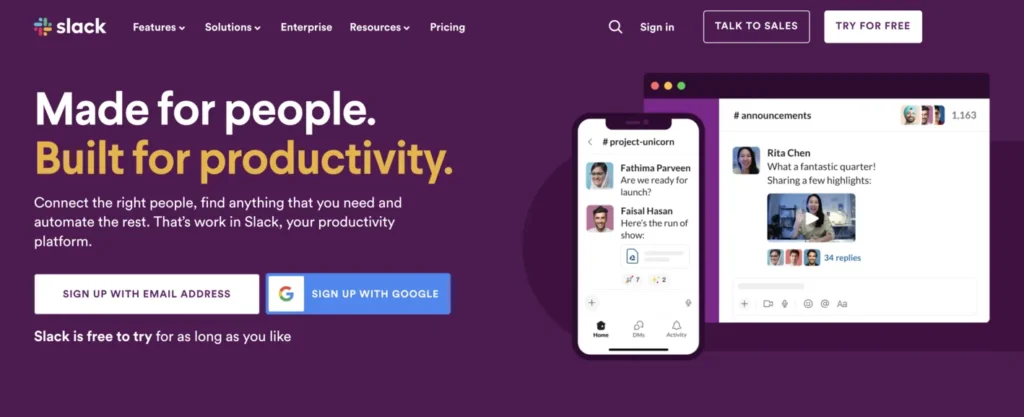
When it comes to the future of software, Slack stands out as a remarkable SaaS application. It is a powerful business communication platform designed to enhance collaboration and streamline work processes.
Key Features:
Slack was introduced in 2013, and it has continued to evolve and improve over the years. Slack revolutionizes team communication. It’s faster, more organized, and more secure compared to traditional email, making it an essential tool for modern businesses.
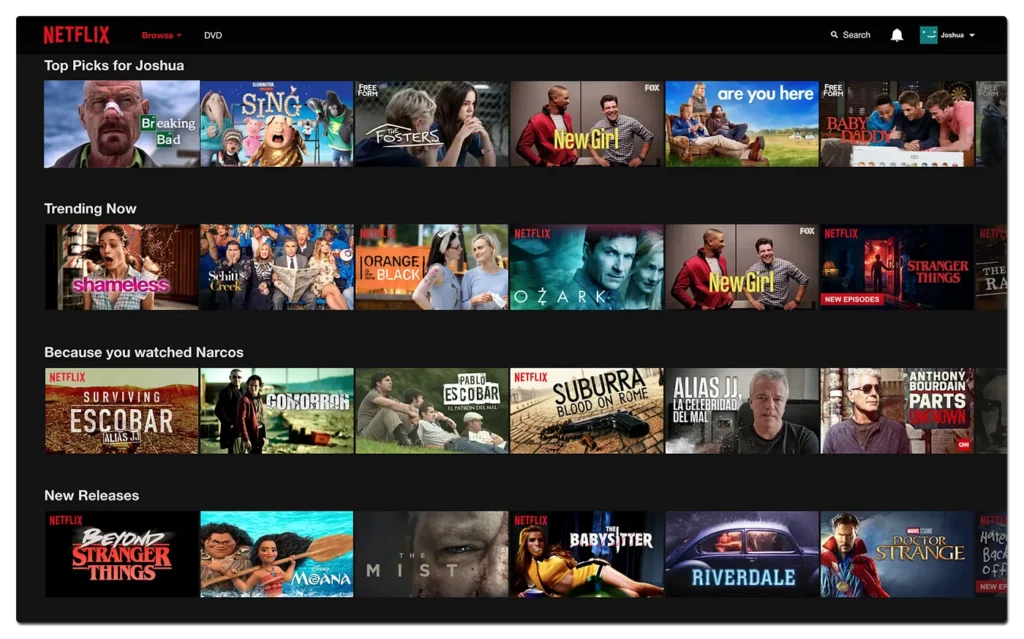
Netflix, an American streaming service, is a remarkable SaaS application used by people worldwide. It is famous for offering award-winning TV shows, movies, anime, and documentaries. At first, Netflix started by renting out DVDs through the mail, but in 2007, they introduced streaming media and videos in response to customer demand. Their headquarters are in Los Gatos, California.
Netflix’s main strength lies in its ability to provide top-notch entertainment around the clock. It has a vast and diverse content library, which means there’s something for everyone. It also offers on-demand streaming without annoying ads, giving you uninterrupted viewing pleasure.
Key features:
Netflix has been around since 1997, and what sets it apart is the exclusive content it offers. You can watch popular network shows and a range of original series, films, documentaries, and specials that you won’t find anywhere else. This makes Netflix a top choice for entertainment lovers.
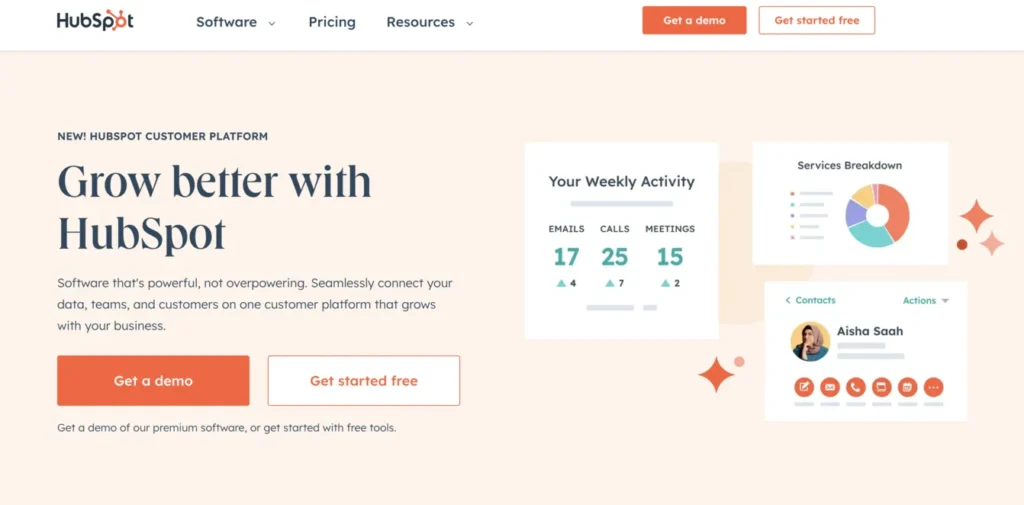
HubSpot is the best example of a SaaS solution that has evolved from a simple CRM (Customer Relationship Management) into a multifaceted tool for businesses. HubSpot was founded in June 2006 by Brian Halligan and Dharmesh Shah. The company has become a prominent player in the inbound marketing and sales software industry, providing tools for businesses to attract, engage, and delight customers.
Its user-friendly interface, global reach, and robust free CRM make it a standout choice for companies looking to enhance their inbound marketing and sales processes.
Key Features:
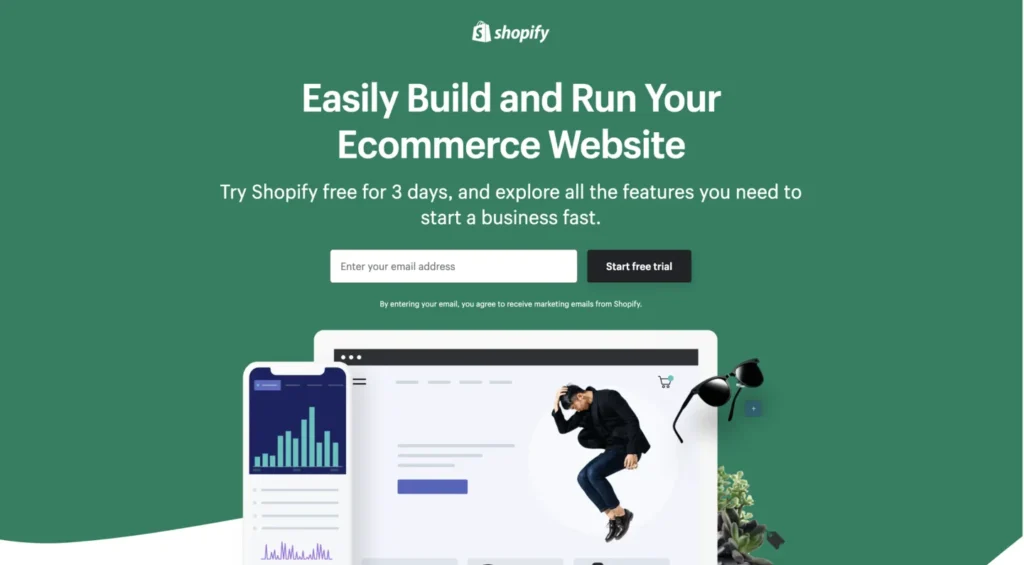
Shopify is a game-changer in the world of eCommerce. It is an all-in-one eCommerce solution, and it’s super easy to use. You don’t need to be a coding wizard to set up your online store. Plus, it’s loaded with features that help your store shine. It has built-in SEO features to help your store get noticed. Shopify made its debut in 2006 and has been on a rocket ride ever since.
Key Features
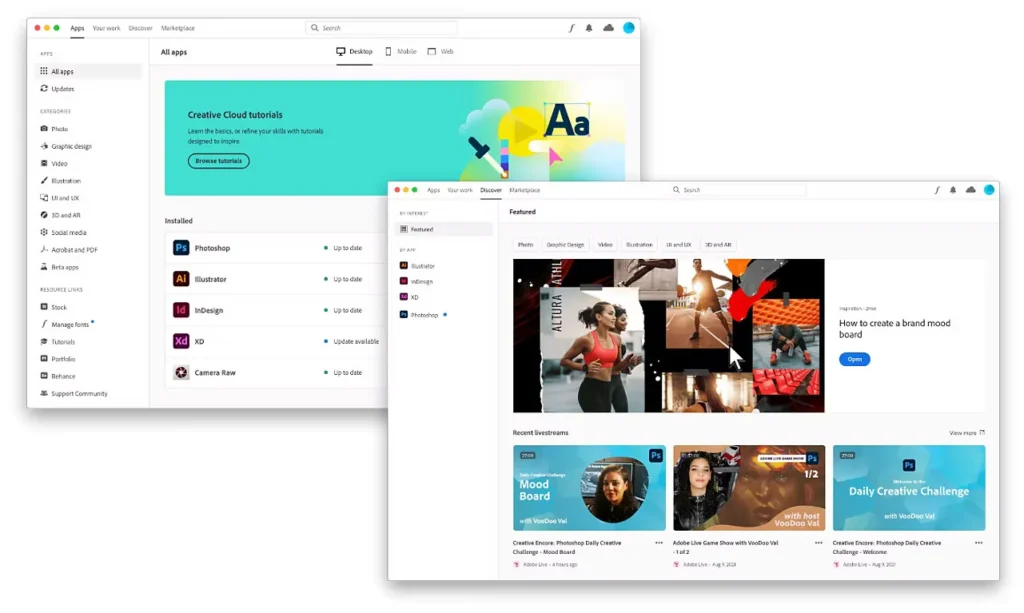
Adobe Creative Cloud is a game-changer for designers and creative enthusiasts. This SaaS solution bundles a variety of top-notch applications for graphic design, web design, and photo & video editing.
Key Features:
This software marvel was launched in 2011 and has since become a go-to platform for creative professionals and amateurs alike. In 2021, Adobe Creative Cloud raked in a staggering $4.11 billion in revenue, a testament to its immense popularity.
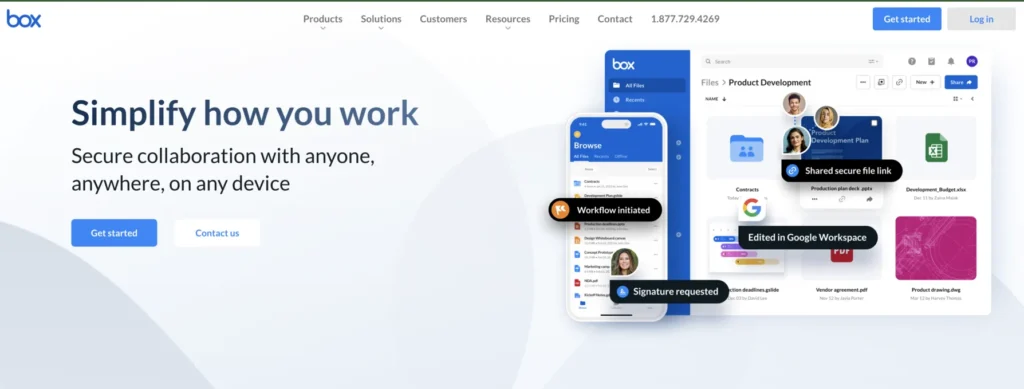
The box is an exceptional SaaS solution that’s shaping the future of software. Box was launched in 2005, and its unique selling point (USP) is its ability to enable secure collaboration with anyone, anywhere, and on any device.
This makes it an exceptional SaaS solution for businesses and teams looking to streamline their work and enhance their security. Box offers three different account types: Enterprise, Business, and Personal, so you can choose the one that best suits your needs.
Key features:
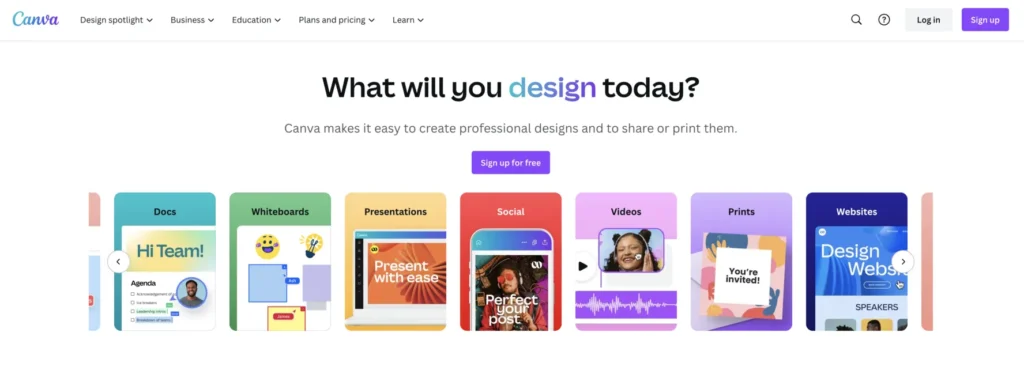
Canva is an exceptional SaaS solution that’s changing the way people create visuals. Canva was founded in 2012 by Melanie Perkins, Cliff Obrecht, and Cameron Adams. It is perfect for businesses and individuals, even if you’re not a design pro. With Canva, you can access a huge collection of templates, graphics, and tools. This means you can easily design social media posts, logos, resumes, and more.
Key features:
Check this video out: The Future of SaaS in India! | SaaS Saturdays with Siddhartha EP 1
SaaS, or Software as a Service, is a software delivery model where applications are hosted and provided to users over the Internet. Instead of installing software locally, users can access and use the software through a web browser, typically on a subscription basis.
Some popular SaaS examples include Salesforce for CRM, Slack for collaboration, Dropbox for cloud storage, Zoom for video conferencing, Shopify for e-commerce, and Quixy for no-code app development.
Several factors contribute to the success of a SaaS company, including offering a valuable product, providing excellent customer support, continuous product updates, and effective marketing and sales strategies.
Unlike traditional software installed on individual devices or servers, SaaS operates in the cloud, allowing users to access it through the internet without local installation. It typically offers subscription-based pricing, automatic updates, and scalability, while traditional software often requires upfront licensing fees and manual updates.
Using SaaS offers several advantages, including accessibility from anywhere with an internet connection, lower upfront costs with predictable subscription pricing, easy scalability, and flexibility, automatic software updates and maintenance, enhanced collaboration, and reduced IT infrastructure and management requirements.
How AI Reduces Time-to-Hire Without Compromising Quality
Top 5 Benefits of Working with an AI-Native Recruitment Agency as Business Owner

The Future of Hiring: AI Meets Human Expertise
Please feel free to share your thoughts and we can discuss it over a cup of tea.
Get a quote
The Future of Hiring: AI Meets Human Expertise
Six Things to Consider When Hiring Remote Talent
ellow.io enters remote hires market with AI-based screening process
